Service · Logic board and liquid
MacBook logic board and liquid damage repair
Board-level faults are the reason many people give up on a machine. Bookronix diagnoses at the component level, cleaning corrosion and testing power rails before deciding whether a repair is realistic and worth doing.
What counts as board-level work
A logic board repair is any fix that happens at the component or rail level rather than by swapping the whole mainboard. That includes removing corrosion after a spill, replacing a shorted capacitor or a failed power-management chip, repairing a damaged connector, and tracing a fault along the power path until the failed stage is found. It is slow, methodical work, and it is the part of a mail-in workshop that a generalist shop usually subcontracts.
Symptoms that suggest the board
- The machine is completely dead: no fan, no backlight, no charge indication.
- It charges but never powers on, or powers on only after being warmed.
- The charger shows a light but the machine will not boot, or boots and immediately shuts down.
- Heat appears in the wrong place, such as a hotspot near a port on an otherwise idle machine.
- A spill happened days or weeks ago and the machine has since become erratic or dead.
None of these confirms a board fault on its own. A dead machine can be a power adapter, a charger port, a battery, a display cable or a board, and the cheaper causes have to be excluded first. That ordering is deliberate: it protects you from paying for board work that was never needed.
Liquid damage, honestly described
Liquid damage is the most variable repair we handle. What matters is which liquid, how much, and how long it sat on the board. Water with minerals leaves conductive residue as it dries; a sugary drink leaves a sticky, hygroscopic layer that keeps pulling moisture out of the air; and either one can corrode traces and short rails within days. A machine that was cleaned early and dried properly has a far better outlook than one that was shut, stored and left.
How we diagnose
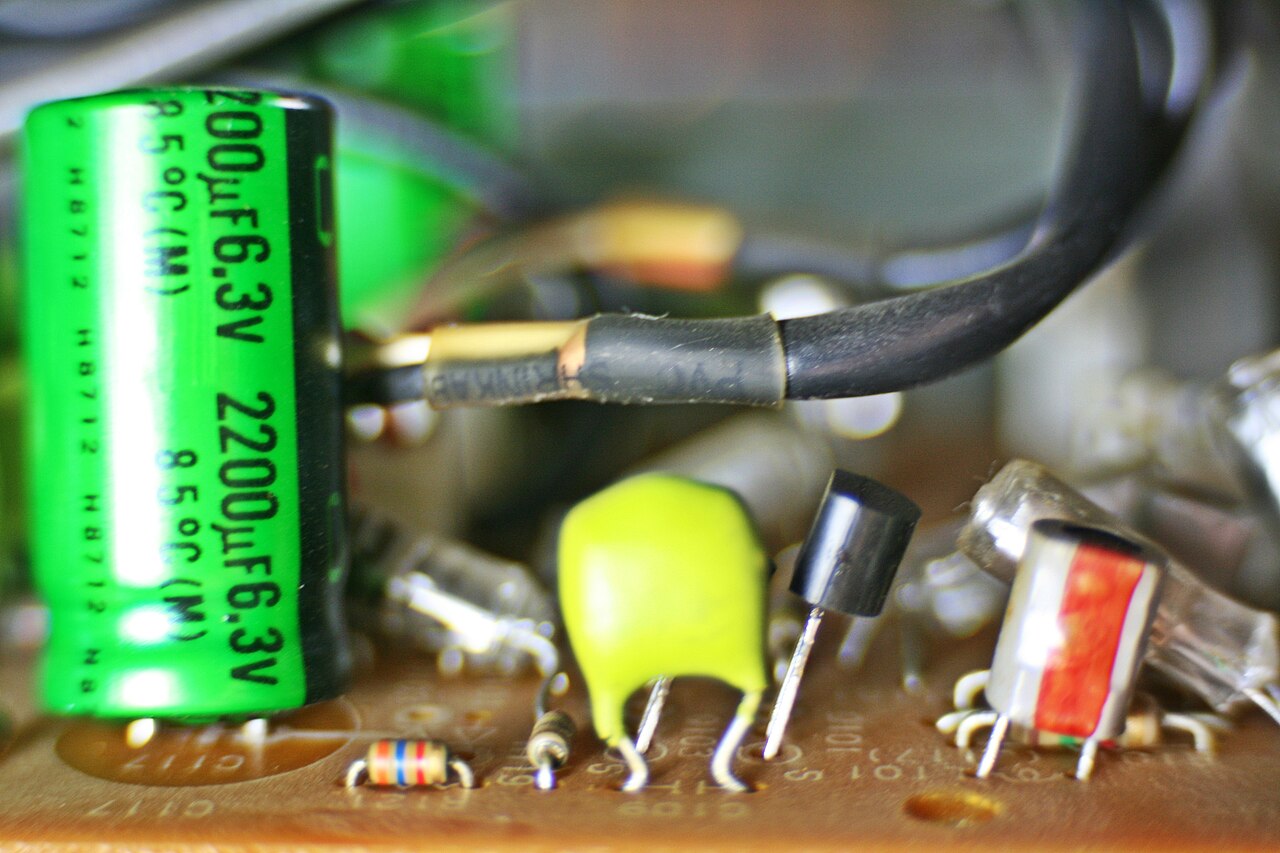
- Inspection. We open the machine and inspect the board under magnification for corrosion, discoloured components and damaged connectors, photographing what we find.
- Cleaning. Contaminated areas are cleaned with appropriate solvents and gentle mechanical work, then dried fully before any power is applied.
- Rail testing. We bring the board up on a controlled supply and measure each power rail in sequence, isolating the stage where the fault sits.
- Component-level work. Where a single component has failed, we replace it. Where a rail is shorted, we trace the short rather than guessing at it.
When we say no
Some boards are not worth repairing, and we will tell you plainly. Deep corrosion that has eaten through multiple layers, a crack that runs under a ball-grid array, or a machine where the parts alone exceed the value of a used replacement all point the same way. In those cases we stop, explain the finding, and offer to return the machine rather than continue charging for a job with an unlikely outcome. An honest “no” is part of the service, not a failure of it.
After board work
A repaired board goes through the same full test cycle as any other machine: charge, cold boot, sustained load, thermal check and input sweep, followed by a period of powered-on observation to catch intermittent faults. Because board-level repairs can be sensitive, the warranty window on this service is explained carefully on the warranty page, including how a new liquid event affects cover. If you are unsure whether your machine is a board case or a simpler fault, the FAQ walks through the common symptoms, and you can always call +1 (302) 555-0184.
Dead or water-damaged MacBook?
Tell us what happened, how long ago, and what the machine does now. We will explain the likely diagnosis and where the estimate starts before you ship anything.